Eun Ji Jung
Senior Product Designer
Fullerton, CA
I’m a product designer focused on how people understand complex software: data-heavy tools, multi-step workflows, and AI products. My job isn’t the model; it’s the experience around it, where transparency, progressive disclosure, and trust patterns matter as much as the interface. This page is a short scroll through who I am, what interaction design means, and what that looks like in practice.
But first let’s make a collage… because why not?
Get to know me
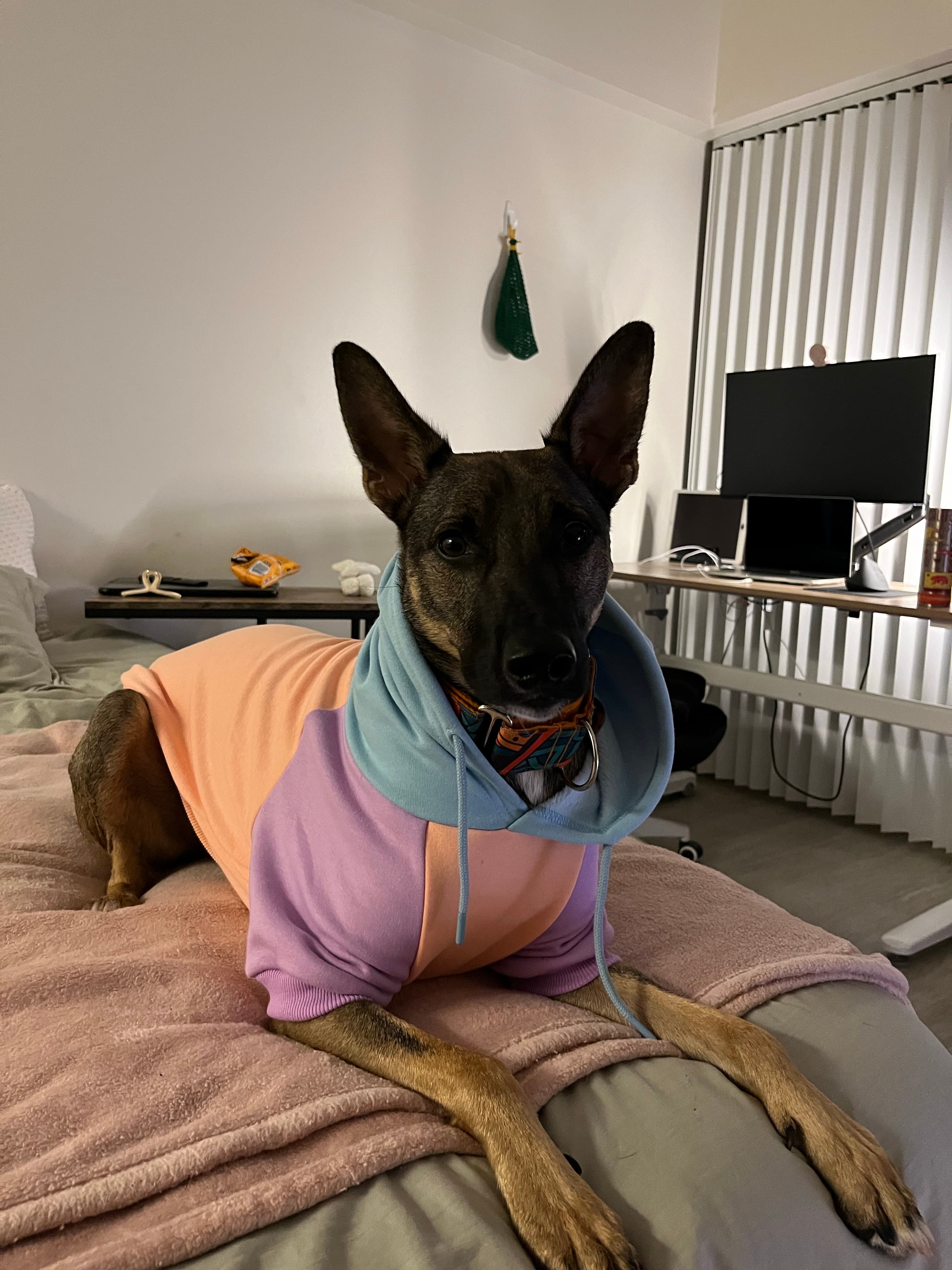
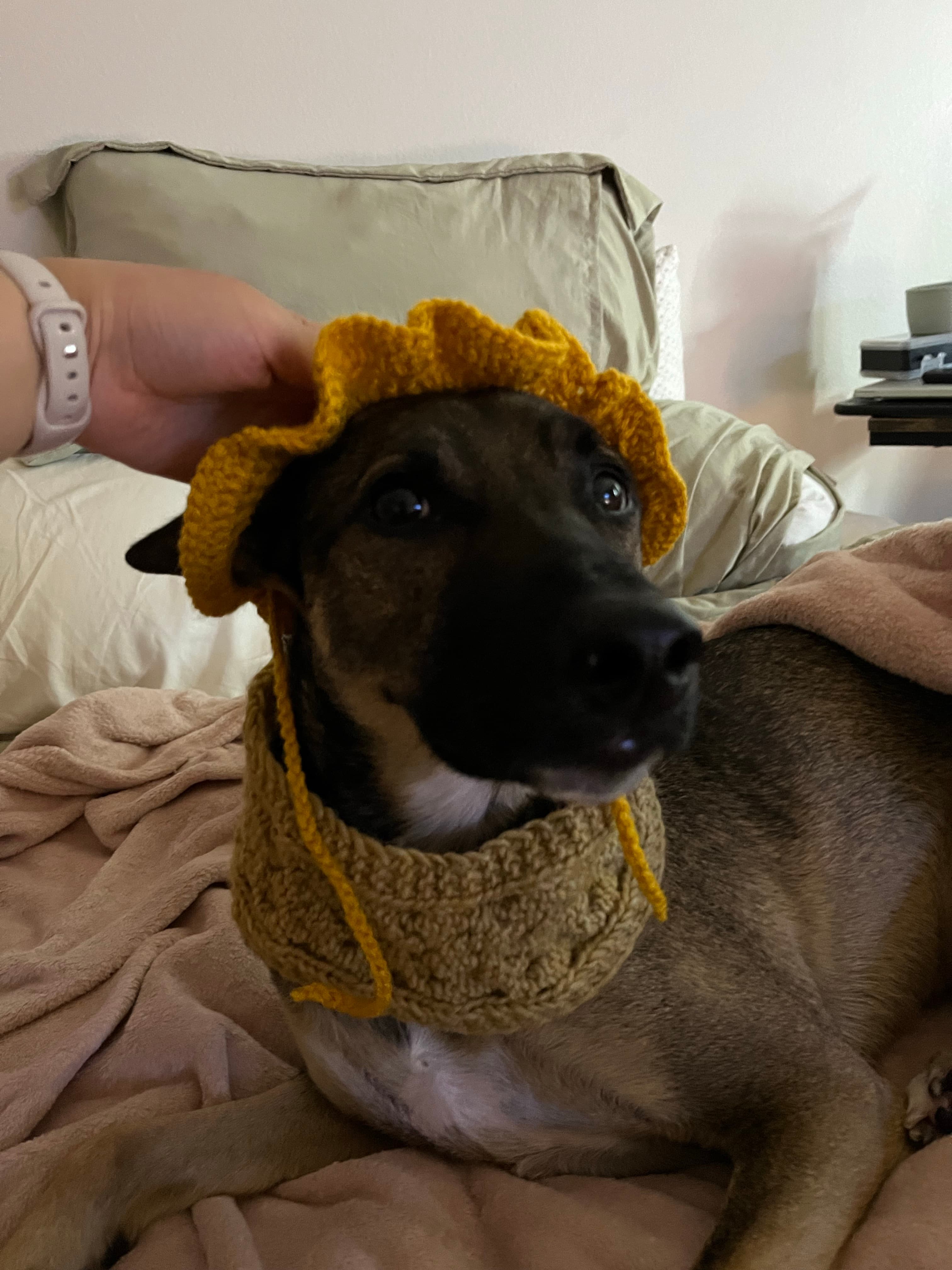
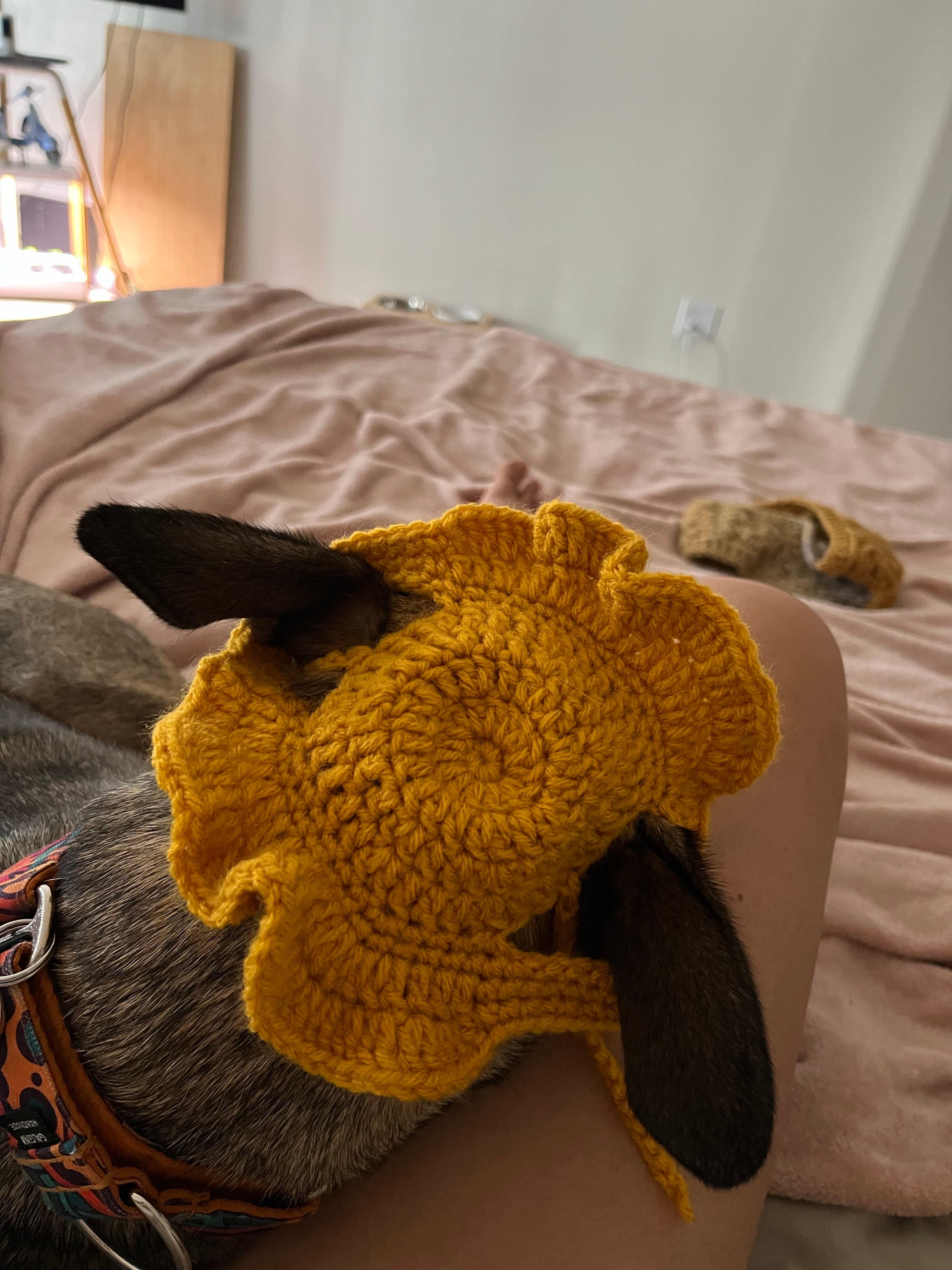
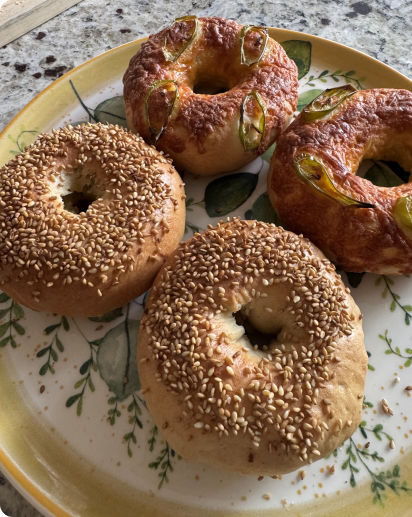
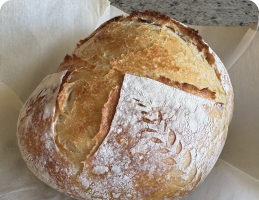
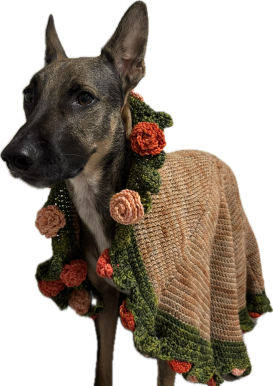
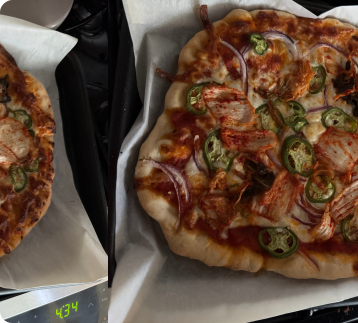
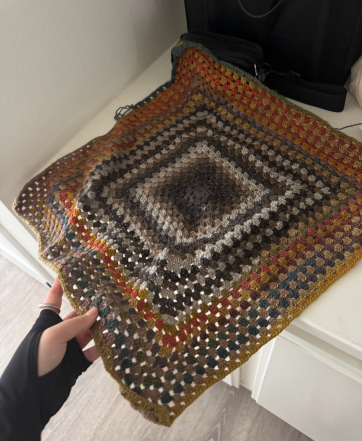
These are images of things that I have baked, crochet, or my dog being a fashion icon. Drag any photo and move it around, and let’s make a collage together (cause I like making collages too haha).
Click and drag inside the frame to arrange your collage.
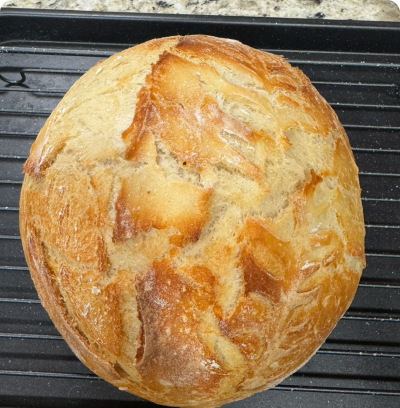
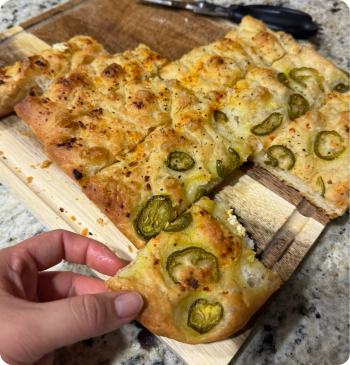
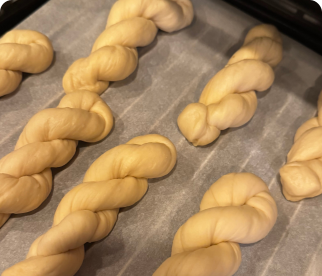
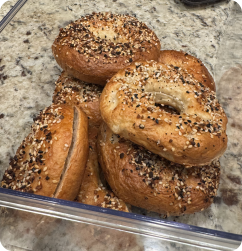
Tap a photo to select it
How I got here
Industrial things first, then digital behavior and systems, two degrees that map how I think about products end to end.
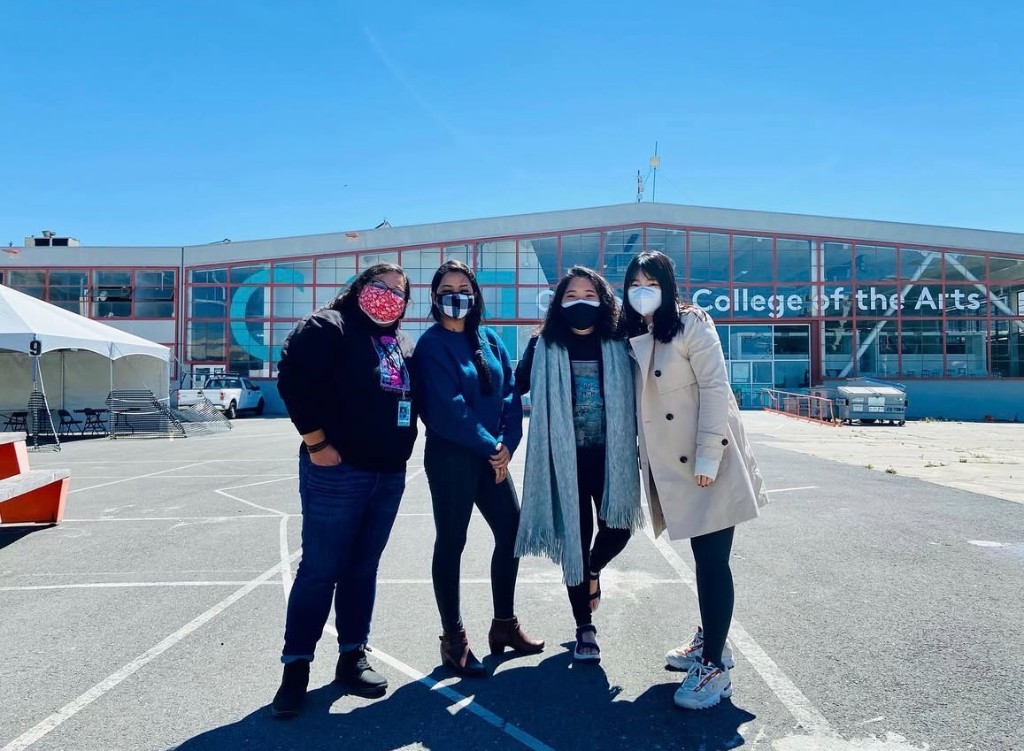
MDes, Interaction Design
California College of the Arts
2021 · San Francisco, CA
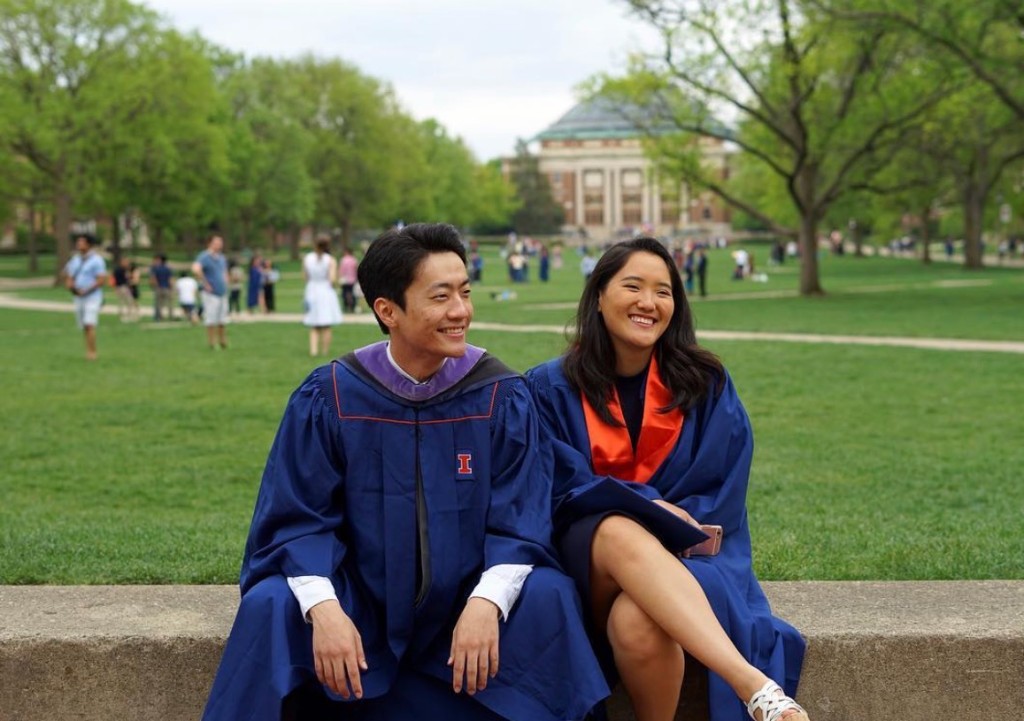
BFA, Industrial Design
University of Illinois at Urbana-Champaign
2018 · Champaign, IL
What interaction design is
Interaction design (IxD) is the craft of how people and systems meet: what happens when someone taps, types, waits, or gets stuck, and how we make that understandable, fair, and resilient. It’s not the same as “only visuals”; it’s the behavior layer that sits between strategy and engineering.
Where I’ve worked
A path from physical healthcare hardware to platform tools and AI-first workflows, always with research, systems, and cross-functional partners in the loop.
Product Designer III
Komodo Health
Jan 2022 to Present · San Francisco, CA (remote)
Panel 1 of 2
Design Consultant, PRIDENet
CCA Social Lab
May 2021 to Aug 2021 · San Francisco, CA
- Stakeholder workshops aligning goals with community needs for a research-sharing portal.
- Shipped a portal to share findings and engage the LGBTQ+ community around health equity.
- Participatory design so the product reflected lived experience, not only institutional needs.
Design Consultant
The San Francisco School, CCA Social Lab
Jan 2021 to May 2021 · San Francisco, CA
- Mapped the summer camp registration journey end to end; interviews with parents and administrators.
- Redesigned enrollment to reduce complexity for first-time families across a multi-step flow.
Design Intern
Digital Design NYC
Mar 2021 to Apr 2021 · New York, NY
- Improved accessibility and flows on e-commerce and B2B surfaces.
- Heuristic evaluations and interaction recommendations grounded in UX best practices.
Industrial Designer
Vitrix Health
Dec 2018 to Aug 2019 · Chicago, IL
- End-to-end design of a cervical cancer screening device, from research and prototyping through 3D modeling, CMF, and manufacturing coordination.
- Synthesized clinical insights from field testing into ergonomic and workflow requirements.
- Project-managed across engineering and manufacturing under real constraints.
Product design in the age of AI
AI in the product changes the shape of the work: it adds inference, confidence, and failure modes that aren’t visible in a static mock. Being a product designer today still means owning clarity, flow, and trust; it also means partnering with engineers and data folks so what we ship matches how the system actually behaves, not only how we wish it behaved.
We’re also in the business of designing and shaping the future in small but real ways: what gets automated first, what stays slow on purpose, who benefits when the system is wrong, and what “normal” looks like once a workflow sticks. The interfaces and patterns we ship don’t just solve today; they train habits and expectations for tomorrow.
Experience over the model
Most of us aren’t training models; we’re designing what people see, do, and understand when a model is in the loop: empty states, loading, corrections, and what happens when the system is wrong. That’s the product surface.
Judgment and sequencing
The craft is still sequencing information, setting expectations, and choosing what to automate vs. leave explicit. AI can compress steps; the design job is to make sure that compression doesn’t erase accountability.
Same partnership, sharper loops
Tight collaboration with engineering (and research, when you have it) isn’t new; it’s just higher stakes when behavior can drift with data and prompts. Design helps the team align on what “good” looks like for real users, not only for demos.
What stays constant
Tools and buzzwords will keep changing. What doesn’t is advocating for understandable, fair, and resilient experiences, whether the backend is rules, ML, or something in between.
How I practice
Skills and tools I reach for most often, grounded in product work, research, and AI-era workflows.
Core craft
- Product design & UX
- AI experience design (transparency, trust, progressive disclosure)
- User research & synthesis
- Design systems
Design & whiteboarding
- Figma (advanced)
- FigJam
- Figma Make
- Figma AI
- Adobe Creative Suite
- Miro
Prototyping & build-adjacent
- Cursor
- Claude Code
- Responsive web design
AI workflow
- Claude
- ChatGPT
- Gemini
- NotebookLM
- Perplexity
Research & analytics
- Dovetail
- Amplitude
- Appcues
Collaboration
- Jira
- Confluence
- Notion
English: fluent · Korean: fluent · Spanish: native
Case study presentation
Cohort Building Experience
A walkthrough of redesigning a healthcare cohort builder: who uses these tools, why the legacy flow was slow and opaque, and how clearer aggregates, customization, and later AI-assisted patterns changed the experience.
Reflection
Lune Design Foundation and System
I built Lune’s system with Claude, Figma MCP, Cursor, and Tailwind: tokens to shipped UI in my hands. Same craft I used at Komodo; a totally different power structure. The full story: from consensus to control.